Climate Tech Boom
🔓 AI Startup

Malik Farooq
April 28, 2026
Deep Dive
Climate Tech Boom: The $40 Billion Green Gold Rush
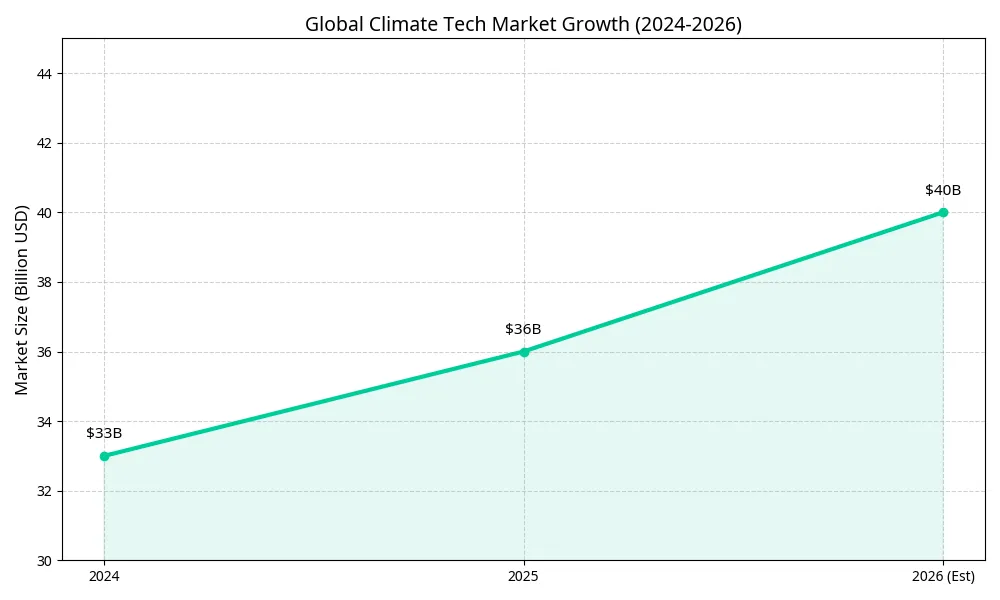
While the broader tech market has faced headwinds, one sector is experiencing an unprecedented surge: Climate Tech. As of April 2026, the global climate tech market has reached an estimated $40 Billion, growing at a staggering 22% CAGR. This is 3 to 5 times faster than the general technology sector, signaling a fundamental shift in where global capital is flowing.
The boom is driven by a perfect storm of policy support, improving unit economics, and the urgent physical reality of climate change. From carbon accounting to direct air capture, climate tech is no longer a "niche" investment—it is the backbone of the new industrial economy.

The Pivot to Profitability
In 2025, we saw a critical shift in the climate tech landscape: the pivot to profitability. Unlike the "growth at all costs" era, 52% of climate tech companies successfully reduced their net burn year-over-year in 2025. This operational discipline has made the sector more resilient and attractive to institutional investors.
| Segment | Market Size (2025/26) | Annual Growth | Key Drivers |
|---|---|---|---|
| Carbon Accounting | $23.5 Billion | 27% | Enterprise Compliance |
| Battery Storage | $50.8 Billion | 18% | Grid Modernization |
| Green Hydrogen | $10.0 Billion | 35% | Industrial Decarbonization |
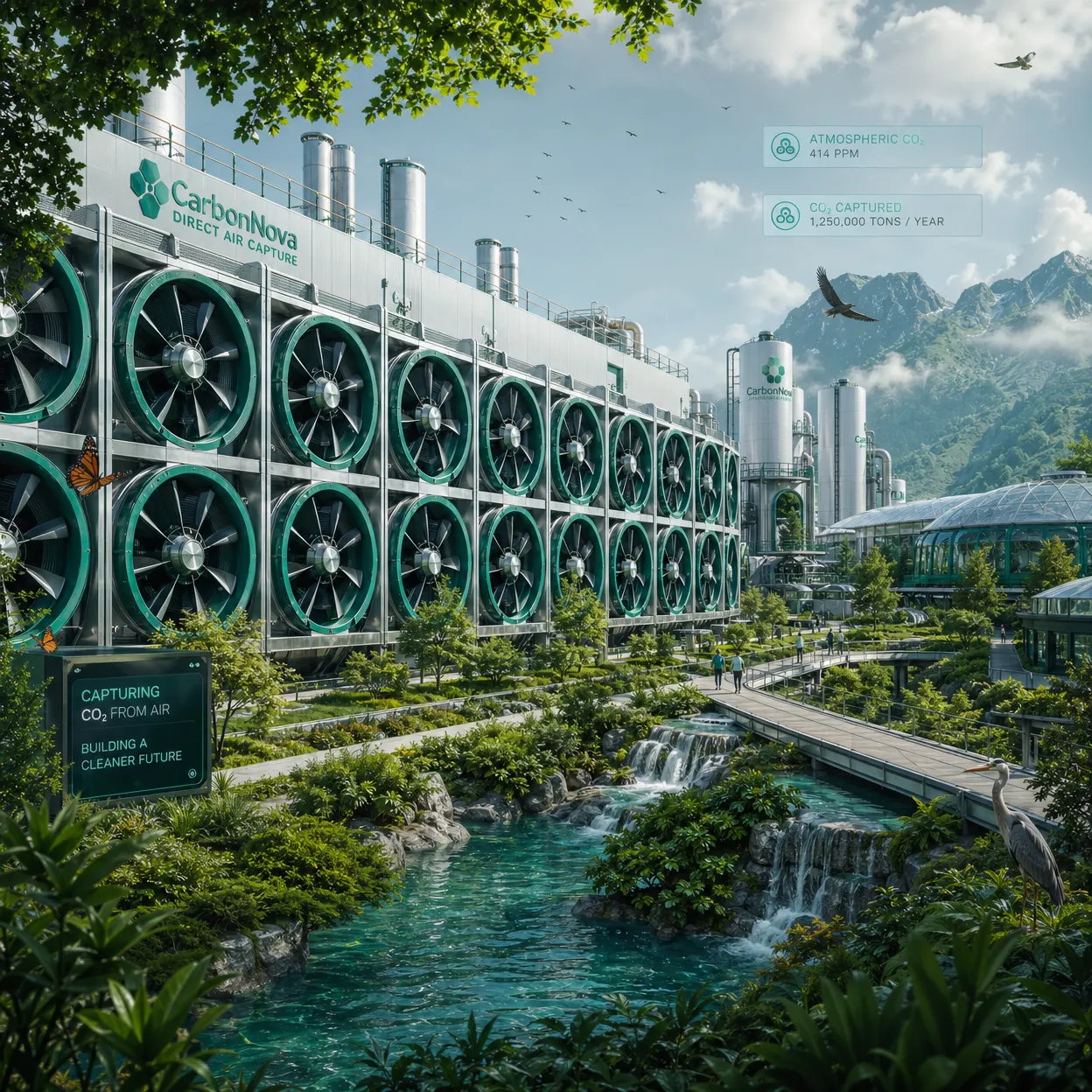
| Direct Air Capture | $150 Million | 61% | High-Quality Offsets |
Policy as a Catalyst
Government action remains a primary driver. In the United States, the Inflation Reduction Act (IRA) incentives were recently revised upward, with total support estimated between $780 billion and $1.2 trillion over ten years. Meanwhile, Asia continues to lead in deployment, with China controlling 45% of the global market.

As illustrated in the graph below, the market has consistently outperformed expectations, driven by massive energy needs from AI data centers and the rapid electrification of transport.
The Infrastructure of Tomorrow
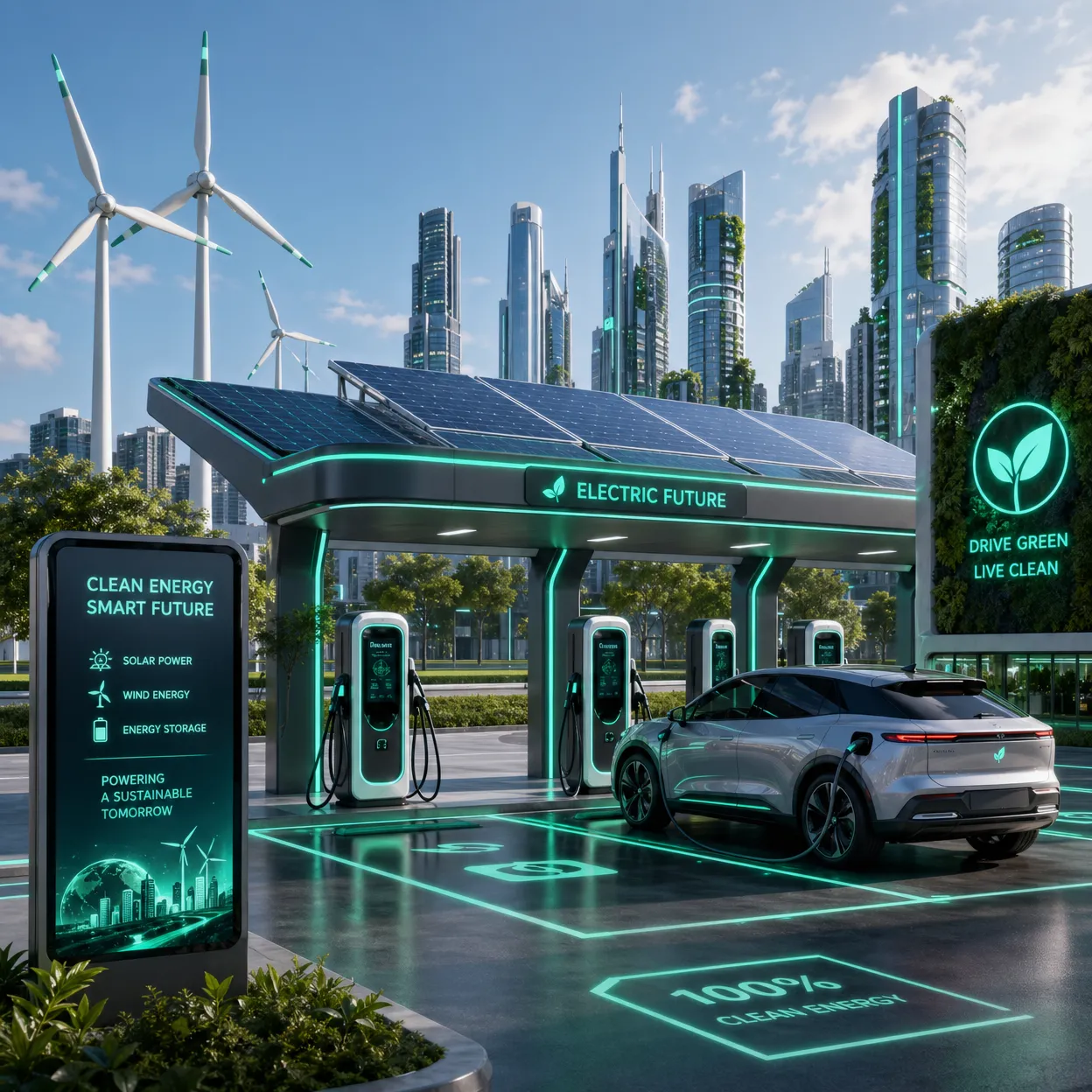
The boom isn't just about software; it's about the physical infrastructure of the future. Smart cities, electric vehicle charging networks, and decentralized energy grids are becoming the standard.
Climate tech has moved beyond "saving the planet" to "powering the economy." For founders and investors alike, the green boom of 2026 is the greatest wealth-creation opportunity of our generation. The question is no longer if we will transition to a net-zero economy, but how fast the technology can take us there.
Ready to master AI?
Join 1,000+ professionals getting the edge in AI marketing. 3 minutes a day to 10x your growth.
Join Free NowKeep reading


Back to archive
Share